

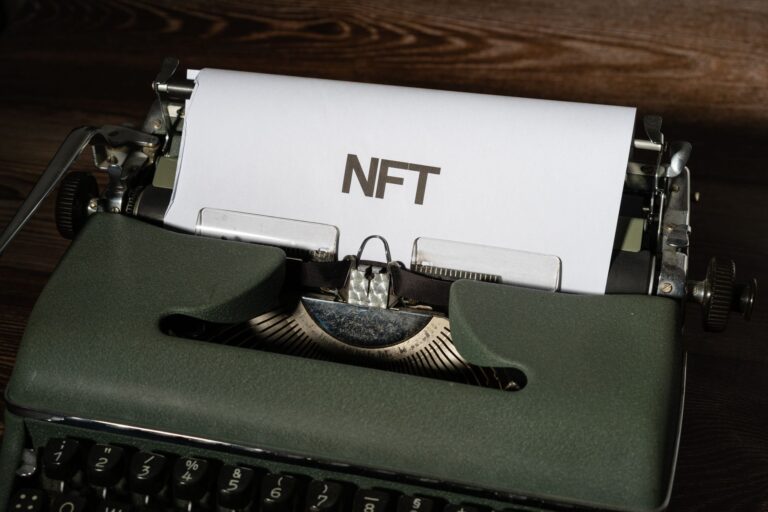
Non-fungible tokens (NFTs) have transformed digital asset ownership, attracting investors and creators by enabling verifiable scarcity on the blockchain. Understanding the mechanics behind NFTs and what determines their market value is essential for anyone evaluating digital asset investments or cryptocurrency market trends. This article examines the technical foundations of NFTs, the factors that drive their value, and their evolution in the financial and technology landscape.
What Is an NFT: The Digital Ownership Foundation
An NFT is a unique digital asset recorded on a blockchain—a distributed ledger technology that creates an immutable, transparent record of transactions and ownership. Unlike cryptocurrencies such as Bitcoin or Ethereum, which are fungible (meaning each unit is identical and interchangeable), NFTs are non-fungible, meaning each token possesses distinct properties and cannot be replaced by another. When someone purchases an NFT, they receive a cryptographic certificate of ownership stored on the blockchain, which serves as verifiable proof of their rights to that specific digital asset.
The technical foundation of most NFTs relies on blockchain smart contracts, self-executing programs that automatically enforce agreements recorded on the blockchain without requiring intermediaries. When an NFT is created, minted, or sold, smart contracts record these transactions and encode the unique properties of that token—including its creator, ownership history, and any associated metadata such as images, videos, or media files. The Ethereum blockchain became the primary platform for NFT creation because its smart contract functionality enabled developers to build complex systems for creating, buying, and selling unique digital assets at scale, and its network effects created a network of compatible wallets, exchanges, and applications.
The Mechanics of NFT Creation and Blockchain Recording
The process of creating an NFT, called minting, involves uploading digital content to a blockchain or linked storage system and executing a smart contract that generates a unique token representing ownership of that content. During minting, the creator specifies the NFT’s properties, including its name, description, associated media (which may be stored on platforms like IPFS, the InterPlanetary File System, to reduce blockchain costs and ensure decentralized hosting), and other metadata. The blockchain then permanently records these details along with the creator’s wallet address, establishing an unalterable provenance chain that buyers can verify through the distributed ledger network, ensuring authenticity and preventing unauthorized duplication of ownership claims.
When CryptoKitties launched in November 2017, the game demonstrated NFT mechanics to mainstream audiences by allowing players to breed, buy, and sell digital cats represented as NFTs. Each cat possessed unique genetic traits that determined its rarity and market value, and transactions were recorded on the Ethereum blockchain as immutable records accessible to anyone running an Ethereum node. The game’s popularity became so intense that it temporarily congested the Ethereum network with transactions, proving that NFTs could drive significant on-chain activity and attract retail investors with no prior cryptocurrency experience to speculative digital asset markets.
Scarcity, Provenance, and the Sources of NFT Value
The value of an NFT derives primarily from scarcity and verifiable ownership history, the two attributes that distinguish NFTs from infinitely reproducible digital files available on the internet. While anyone can screenshot a digital artwork or download a copy of an NFT’s associated image, only the owner of the actual token possesses the cryptographically verified claim to ownership recorded on the blockchain. This distinction mirrors the difference between a photograph of the Mona Lisa and ownership of the painting itself—the reproduction has no inherent legal value, but the authenticated original commands market value based on its documented provenance and rarity.
Beyond art, NFTs derive value from utility and community membership, expanding their use cases beyond collectible status. Some NFTs grant holders access to exclusive digital content, voting rights in decentralized autonomous organizations (DAOs), special benefits in gaming ecosystems, or even claims on future revenue streams. When Yuga Labs created the Bored Ape Yacht Club in April 2021, each NFT provided both a digital collectible and membership to an exclusive community, with holders receiving access to limited physical and digital events, potential future intellectual property licensing rights, and elevated social status within the collector community. The collection’s floor price (the minimum cost to buy the cheapest available item) reached values in the multiple millions of dollars, driven by the combination of artistic scarcity, active community participation, celebrity adoption, and market speculation about future utility and commercial opportunities.
NFT Evolution: From Early Experiments to Market Maturation
The first recognizable NFTs emerged through the Counterparty protocol in 2014, which allowed users to create unique digital assets on the Bitcoin blockchain, though the technology operated with significant technical limitations and modest transaction volume. The launch of Ethereum in 2015 provided a more flexible platform for NFT development with higher transaction throughput and lower costs, and the ERC-721 standard, proposed by Dieter Shirley and William Entriken in 2017, standardized how NFTs could be created and transferred on Ethereum across different applications. This standardization made it possible for developers to build compatible NFT marketplaces and applications without creating entirely new infrastructure, accelerating ecosystem development and adoption across platforms.
The evolution from curiosity to investment phenomenon accelerated with the March 2021 sale of “Everydays: The First 5000 Days,” a digital artwork comprising 5,000 small images created daily over thirteen years by Mike Winkelmann (professionally known as Beeple), which sold at Christie’s auction house for 69.3 million dollars. This milestone established NFTs as a legitimate asset class worthy of institutional auction house recognition and financial media coverage, validating them not merely as internet collectibles but as financial assets traded through established art market channels with traditional valuation methodologies. Following this sale, the number of NFT marketplaces proliferated from dozens to hundreds, trading volumes expanded from millions to billions of dollars annually, and institutional investors including hedge funds and family offices began developing dedicated portfolios and strategies for NFT acquisition and long-term holding.
Frequently Asked Questions
Are NFTs only digital art?
Although NFTs gained visibility through digital art sales, the NFT market encompasses far more than artwork. NFTs represent ownership rights for video game items, virtual real estate in metaverse platforms, music rights and streaming economics, sports memorabilia, domain names, fractional ownership of physical assets, and even tokenized financial instruments. The technology provides a generalized solution for representing unique, scarce digital ownership regardless of the underlying asset category.
Can an NFT be copied or counterfeited?
The image or file associated with an NFT can be copied without limit, but only the original token recorded in the blockchain register establishes legitimate ownership and market value. Each NFT carries a unique smart contract entry with an immutable hash that proves its authenticity, similar to a certificate of authenticity and provenance document for physical artwork. This cryptographic certificate cannot be forged due to the blockchain’s distributed consensus mechanism and mathematical verification properties, creating security that exceeds traditional centralized registries.
What gives an NFT its value?
An NFT derives value from several interconnected factors including scarcity (limited quantity), verifiable provenance (documented ownership history), community acceptance (network effects of other collectors and users), functional utility (special rights or access), and speculation about future demand. Market price is determined by supply and demand dynamics, similar to physical artworks or collectible commodities, with factors including creator reputation, celebrity endorsement, historical auction results, collector sentiment, and broader cryptocurrency market conditions influencing pricing across marketplace platforms.
NFTs operate at the intersection of technology, economics, and behavioral finance, where verifiable digital ownership creates value through scarcity and community consensus. Investors evaluating NFTs must understand both their technical mechanisms—how blockchain recording establishes immutable provenance—and the market factors that determine pricing, from functional utility and rarity to creator reputation and speculative demand dynamics.
