
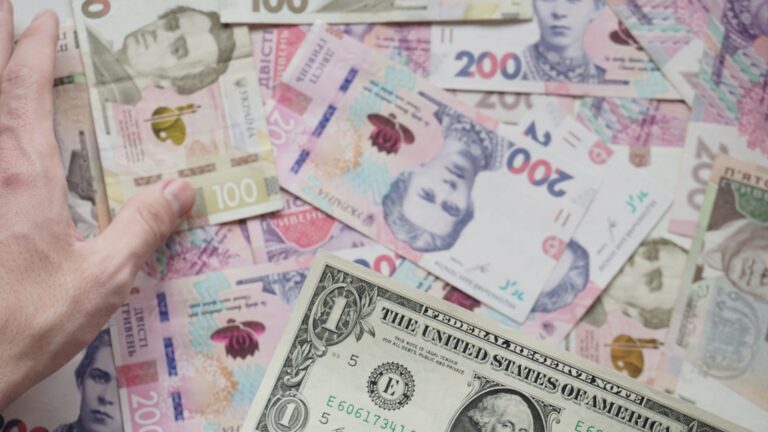
Brazil’s economy operates within a globalized financial system where the US dollar exchange rate functions as a critical lever affecting everything from consumer prices to industrial competitiveness. The Brazilian real, the country’s official currency, fluctuates constantly against the dollar, creating ripple effects across imports, exports, inflation, and foreign investment flows. Understanding this relationship is essential for investors, businesses, and policymakers navigating Brazil’s economic landscape, as currency movements can either amplify growth or trigger economic contraction.
How Exchange Rates Shape Economic Output
An exchange rate represents the value of one currency expressed in terms of another; specifically, the USD/BRL rate indicates how many Brazilian reals are needed to purchase one US dollar. When the real weakens against the dollar—meaning more reals are needed to buy one dollar—Brazilian companies face higher costs for imported raw materials, technology, and finished goods priced in dollars. Conversely, a stronger real makes imports cheaper but can reduce the competitiveness of Brazilian exports on global markets. This direct mechanism affects the cost structure of nearly every business in Brazil, from agricultural exporters to technology companies.
Between 2010 and 2020, the real depreciated significantly against the dollar, moving from approximately 1.7 reals per dollar to over 5.3 reals per dollar. This depreciation increased input costs for manufacturers while simultaneously making Brazilian agricultural products and commodities more attractive to foreign buyers at lower prices. The Central Bank of Brazil, the country’s monetary authority, monitors these movements closely and uses interest rate policy and foreign exchange interventions to manage excessive volatility.
Transmission Channels: Inflation, Imports, and Export Competitiveness
When the real weakens, the cost of importing goods denominated in dollars increases immediately, pushing up domestic prices and triggering inflation that ripples through the entire economy. Brazil imports a substantial portion of its capital equipment, chemical inputs, and energy resources, making the economy particularly sensitive to currency movements. A weaker real means companies must spend more reals to pay their dollar-denominated invoices, and they often pass these costs to consumers through price increases. This transmission mechanism makes exchange rate fluctuations one of the most direct channels through which external shocks affect Brazilian households and businesses.
During the 2015-2016 economic crisis, the real weakened sharply as capital fled emerging markets, contributing to inflation rates that exceeded 10 percent annually. The Central Bank of Brazil raised its benchmark Selic rate to nearly 14.25 percent to combat this inflation and stabilize the currency, demonstrating how exchange rate pressures can force policymakers into difficult tradeoffs between managing inflation and maintaining growth rates. Meanwhile, Brazil’s export-driven sectors—including agriculture, mining, and energy—experience complex effects from exchange rate movements, as commodity prices (denominated in dollars globally) often move in tandem with currency movements. When the real weakens alongside declining commodity prices, exporters face a double squeeze: they receive fewer reals per unit sold while their volumes may not increase sufficiently to offset the price decline. Agricultural exports, representing over 25 percent of Brazil’s total exports, face this dynamic constantly as global markets price soybeans, sugar, and beef in US dollars.
Capital Flows and Monetary Policy Constraints
International investors allocate capital to Brazil partially based on expectations about future exchange rate movements, creating a feedback loop where currency expectations influence investment decisions that then validate those expectations. When investors anticipate real depreciation, they become reluctant to invest new capital or even withdraw existing investments, accelerating depreciation. The interest rate differential between Brazil and developed markets also attracts or repels capital: higher Brazilian interest rates attract foreign capital seeking returns, which strengthens the real, while capital outflows during risk-off episodes weaken the currency. These dynamics create periods of real strength during commodity booms and risk appetite, followed by sharp weakness during reversals.
Between 2003 and 2008, commodity prices soared and the real appreciated strongly, attracting massive foreign direct investment into Brazil’s oil, mining, and agricultural sectors, with the real strengthening from above 3.0 against the dollar to below 1.6. JBS, one of the world’s largest meat processing companies and a Brazilian firm, demonstrates how exchange rates directly affect corporate profitability, as it generates substantial revenue in dollars from global operations but incurs many costs in reals domestically. When the real strengthens, the company’s dollar revenues convert into fewer reals, reducing reported earnings, while real depreciation increases the real value of foreign revenues, creating a natural hedge for companies with significant dollar-denominated sales.
Historical Evolution and Structural Context
Brazil’s relationship with the US dollar has transformed significantly since the country moved to a floating exchange rate regime in 1999, abandoning the fixed-rate peg that had anchored the real since 1994. During the fixed-rate period, the real maintained artificial strength that accumulated foreign exchange pressures, eventually forcing a currency crisis when the government could no longer defend the peg. The transition to floating rates introduced volatility but also market discipline, allowing the currency to adjust to economic fundamentals more naturally. This shift coincided with Brazil’s adoption of inflation targeting, where the Central Bank commits to maintaining inflation within a specified range, making exchange rate movements a key variable in monetary policy decisions.
The 2008 global financial crisis demonstrated the dangers of currency volatility when the real depreciated approximately 40 percent against the dollar in a matter of months as investors liquidated emerging market holdings. This forced the Central Bank to inject dollars into the financial system to prevent a complete credit freeze, as many Brazilian companies had borrowed in dollars and faced default risk as the exchange rate soared. Recovery from this crisis took years, illustrating how external shocks transmitted through exchange rates can create lasting economic damage even in a structurally sound economy. The Central Bank uses exchange rate management as an implicit tool within its monetary policy framework, recognizing that currency movements directly affect inflation expectations and real borrowing costs for businesses.
Frequently Asked Questions
Why does the real weaken against the dollar so regularly?
The real weakens when foreign capital exits Brazil, commodity prices fall, or investors expect future depreciation. Interest rate differentials between Brazil and developed economies also drive these movements, as lower returns in Brazil reduce the appeal for external capital allocation.
How does a weaker real affect Brazilian companies?
Companies with dollar-denominated debt face higher payment costs, while importers see prices increase. Exporters gain price competitiveness, but if commodity prices simultaneously decline, the competitive benefit can be offset by lower revenues per unit sold.
Can the Central Bank control the exchange rate?
The Central Bank can intervene in currency markets and adjust interest rates to influence the exchange rate, but cannot permanently control the rate against underlying economic fundamentals. Direct interventions produce temporary effects, while monetary policy affects investor expectations about the currency over longer horizons.
The USD/BRL exchange rate functions as one of Brazil’s most consequential economic variables, shaping everything from production costs to investment flows and monetary policy constraints. For investors and businesses operating in or exposed to Brazil, monitoring this relationship and understanding its transmission mechanisms provides critical insights into economic sustainability and growth potential.
